Exactly how to Set Up Man Lines in Rocky Surface
Camping on rocky ground has genuine advantages. It drains pipes well, resists disintegration, and frequently features amazing sights. But when it pertains to pitching a tent safely, rough terrain offers a distinct obstacle: you typically can not drive a basic camping tent stake into strong stone. Person lines, the tensioned cables that stabilize your outdoor tents and protect it from wind, need a various anchoring strategy when dirt is limited or missing. Right here's how to obtain a stable, wind-resistant configuration also when the ground refuses to comply.
Why Individual Lines Matter A Lot More on Rock
Individual lines aren't just an optional additional. They draw tent walls tight, lower flapping in wind, and stop your shelter from breaking down or taking off the ground during a tornado. On soft ground, this is manageable since risks attack easily right into dirt. On rock, the outdoor tents has less all-natural resistance to wind, and any space in between the textile and stable support comes to be a liability. A badly safeguarded tent on a subjected ridge or piece can turn a windy night right into a real safety and security issue, so getting your man line supports right isn't nearly convenience.
Scout the Site Before You Dedicate
Prior to setting anything up, walk the immediate area and try to find all-natural features you can make use of as anchor points. Search for larger rocks that won't move, fractures or gaps in bedrock, tiny trees, origins, or hedges outgrowing slim dirt pockets, and any kind of existing voids in between rocks. Attempt to identify at least one anchor option for each corner and guy-out point of your tent before you start pitching, so you're not scrambling later.
Use Rock Piles (Cairns) as Anchors
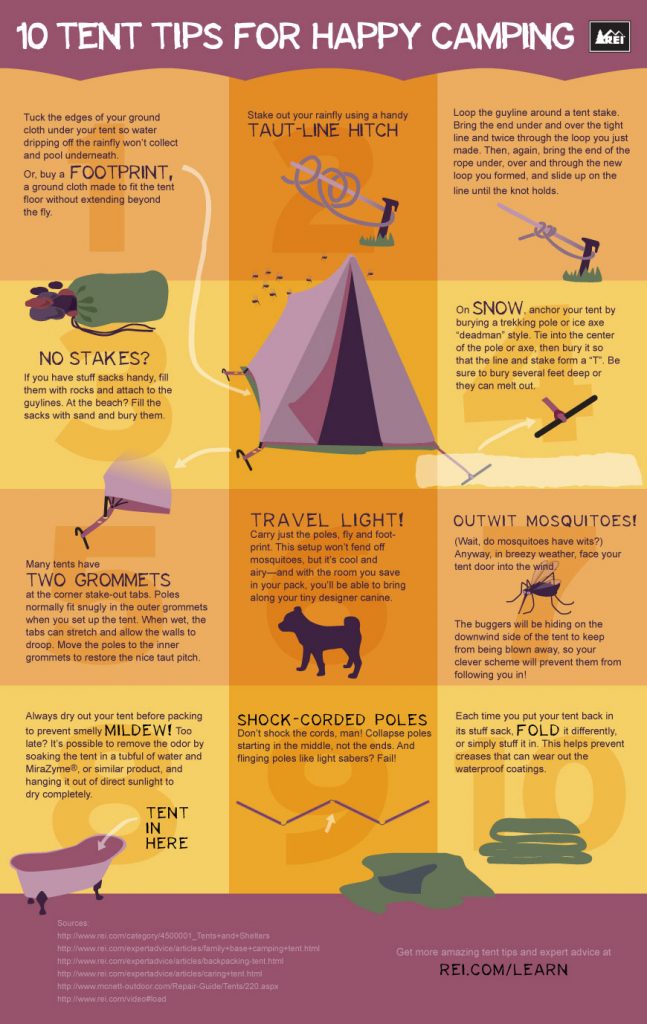
Among the most reputable approaches on rough ground is constructing tiny rock piles, occasionally called , over the loop or stake at the end of a guy line. Lay the guy line flat on the rock surface, place a level rock straight over the cable to pin it down, after that pile 2 or 3 more rocks on the top to add weight. The key is layering enough mass that wind can not lift the pile, and angling the line so tension draws the pile descending rather than sideways or upwards.
Link Off to All-natural Attributes
Where rocks, tree trunks, or thick origins are readily available, linking straight to them is often stronger than any kind of risk could be. Loophole the individual line around the base travel bag of the item, not around a narrow point that might slip off. An easy method is wrapping the cable two times around the support and protecting it with a taut-line hitch or trucker's hitch, both of which permit you to readjust stress after the preliminary tie-off. Prevent sharp rock edges that could fray or reduce your rope over time.
Try Rock-Filled Sacks or Things Sacks
If you're camping someplace with regularly rocky surface, it deserves carrying a vacant things sack or two specifically for this objective. Fill up the sack with loose rocks, connect the man line around the neck of the bag, and set it in place. This method disperses weight equally, is faster than stacking loose rocks, and can be readjusted or relocated a lot more quickly if you need to reposition your outdoor tents mid-setup.
Use Specialized Rock-Terrain Anchors
Some hardware exists especially for this issue. Y-stakes and screw-type anchors created for rock crevices can wedge right into narrow splits and hold remarkably well. Rock anchors that appear like small hooks or chocks, obtained from climbing equipment, can likewise be jammed right into fractures and clipped to individual lines. These tools consider little and use up minimal pack room, making them worth lugging if you regularly camp on rock or towering surface.
Angle and Stress Issue
No matter support kind, the angle of your person line affects exactly how well it holds. A line angled as well steeply up from its anchor factor can pull rocks or equipment loose a lot more easily than one tilted closer to the ground. Aim for a roughly 30 to 45 level angle between the individual line and the ground where possible, and constantly test stress by pulling strongly on the line before trusting it over night.
Double-Check Prior To Nightfall
Once your tent is totally staked and guyed out, walk and examine every support point once more, particularly if conditions are gusty. Rock piles can move, knots can loosen, and what looked safe in daylight may need reinforcement prior to dark. A few additional mins of care below can mean the distinction in between a calm night and an emergency situation re-pitch at 2 a.m.
Final Ideas
Rocky terrain rewards preparation. With the ideal mix of natural supports, rock piles, specialized hardware, and mindful tensioning, you can pitch a stable, wind-resistant shelter nearly anywhere stone dominates the landscape. The added effort spent scouting and safeguarding your person lines pays off in peace of mind via the evening.